
Reliable Electricians
in
Sydney
All of our electricians bring years of experience, a drive for excellence, and a professional determination to get your job done on time.
Search Our service areas


About Us
Why choose us as your Sydney Electricians?
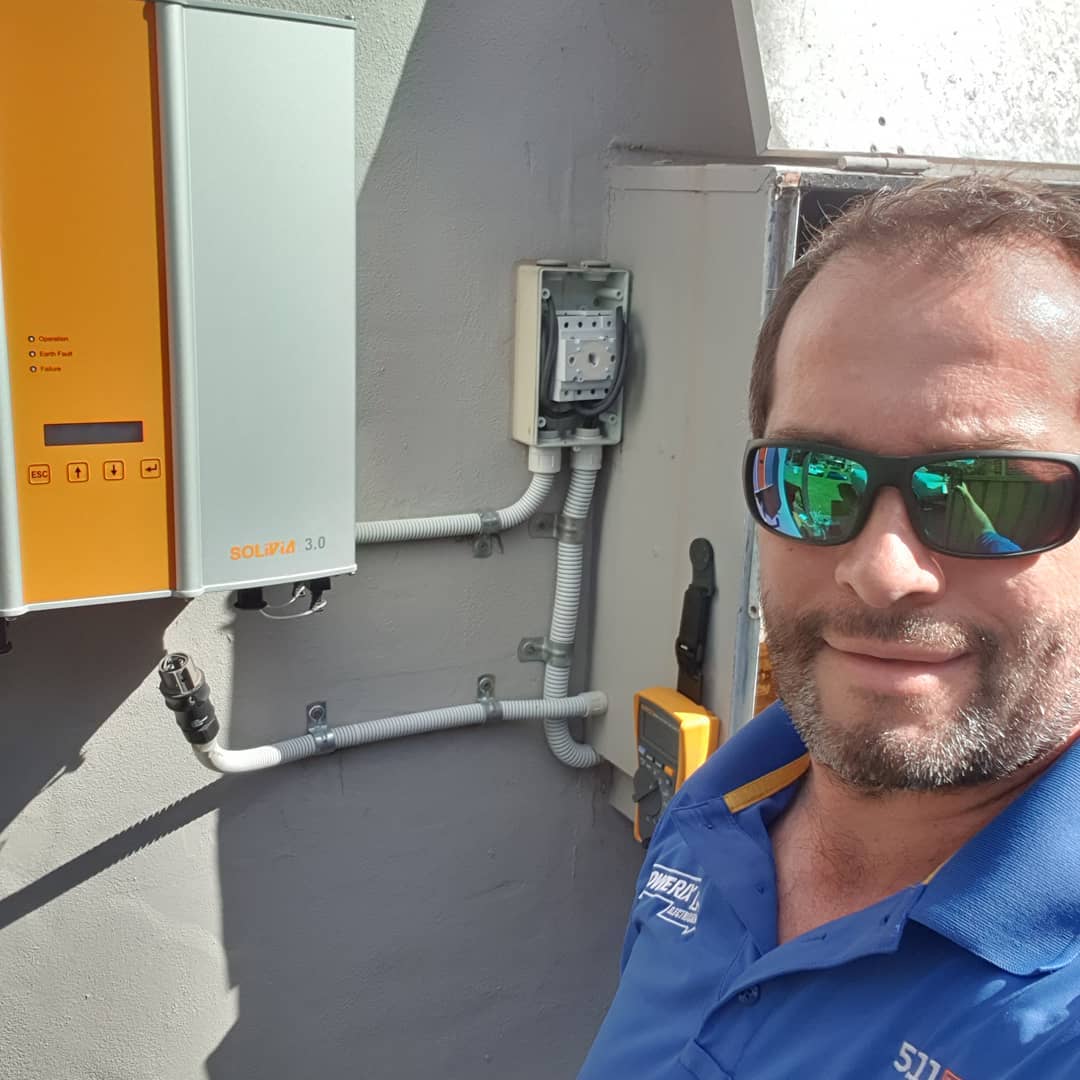
The most expensive electrical is work that which has to later be torn out, replaced, or fixed. It makes a lot more sense to use our trusted, expert team of local electricians that gets the job done right and on time with a minimum of disruption for your home or business. You will keep expenses down while getting what you need without hassles down the road.
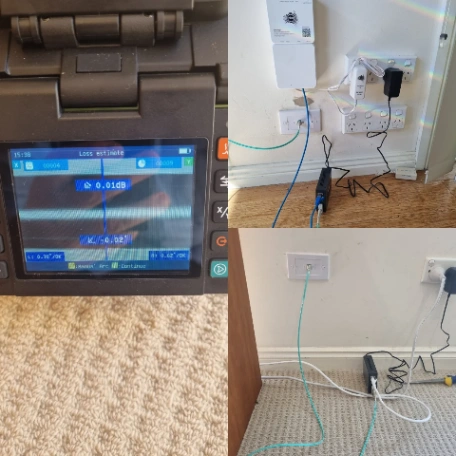
Our Services
Sydney Electricians for your Home and Business
Give us a call and let's talk about what you need. Our expert staff will listen closely, then advise the best, most cost effective solutions.
Residential Electrician Sydney
Dependable Residential Electricians
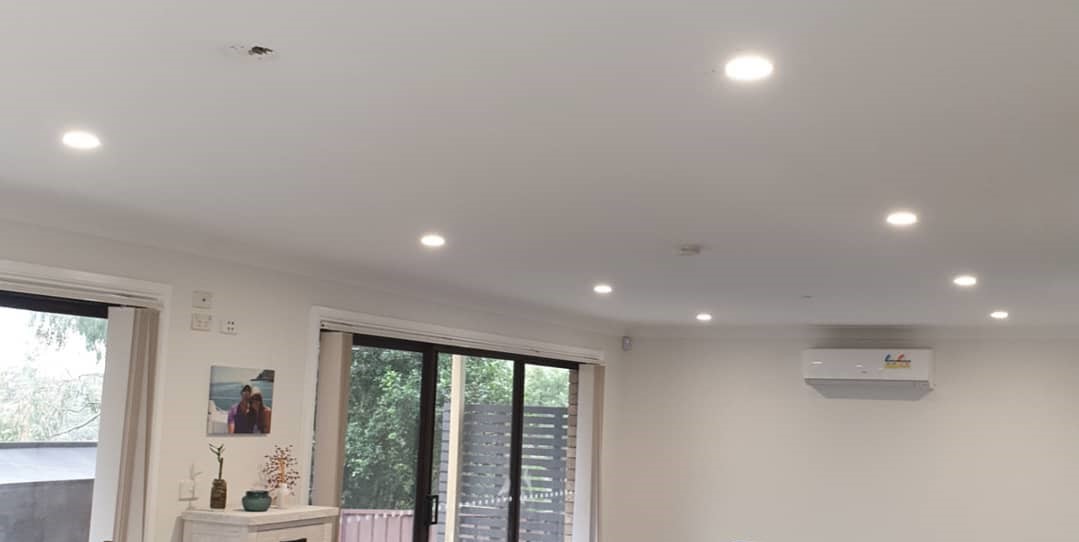
Our local electricians are very experienced in providing all the standard solutions. We're also experts at more difficult situations that require experienced creativity and innovation. Whatever the case, you get professional installation, repair, and maintenance that gives you outstanding functionality with optimum visual appeal. From installing more energy efficient lighting to complete home rewiring to ceiling fans and hot water repairs, we can install or fix practically anything in your home. And we do it with fixed, up front pricing at prices you can afford.
Commercial Electrician Sydney
Commercial Electricians Providing Excellence From Start to Finish
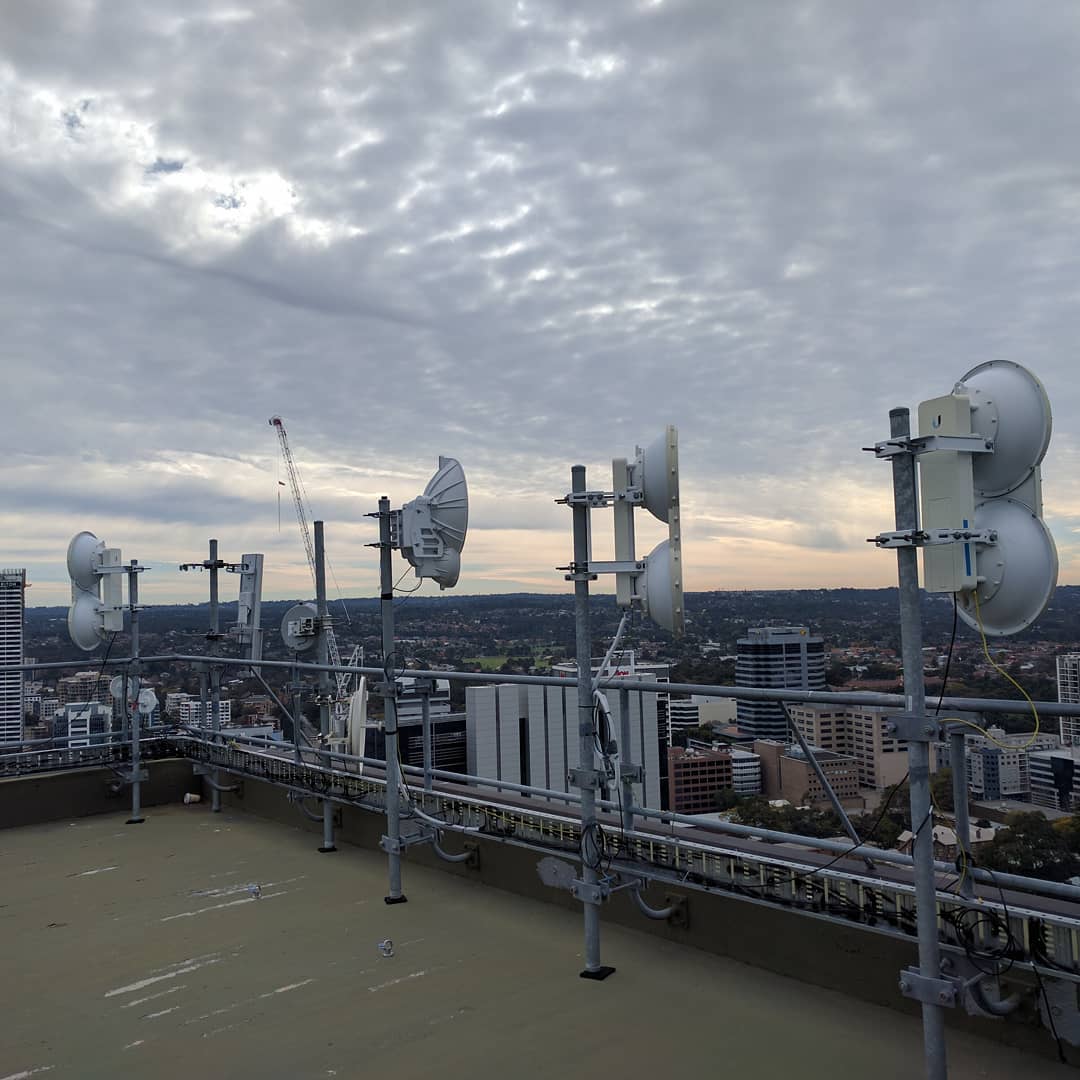
The main thing you want is a team of local electricians that will get the job done right and take care of all the details. We look after everything from start to finish so you can concentrate on your business. We provide all you need from money saving commercial lighting to electrical cable installation to testing and tagging to emergency and exit systems and much more. Please contact us for your no-obligation FREE quote.
Electrician Property Managers Sydney
The Property Manager's Most Trusted Electricians
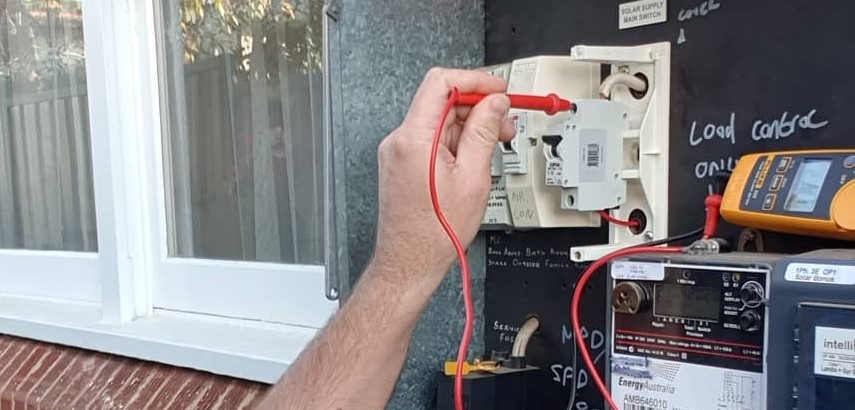
When you've got many units to take care of, we can be the reliable, expert local electricians that make your life a lot easier. From taking care of small repairs to outfitting entire complexes with more efficient lighting and electrical design, we give you the service you need both large and small.
Solar Installation, Repairs & Maintenance Sydney
Expert Solar Installers
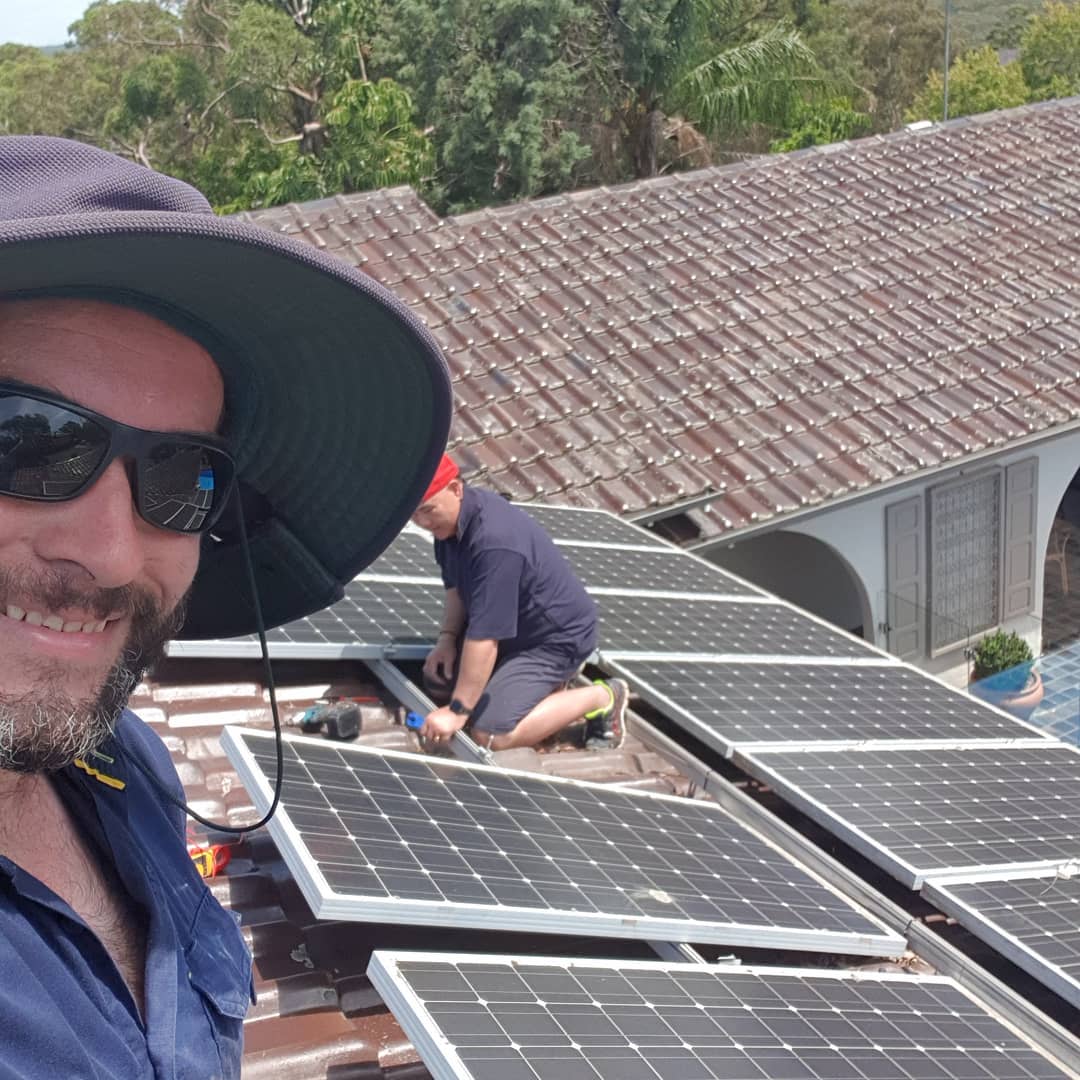
Whether you are wanting to give your home and family affordable clean energy or you need a reliable, cost-effective solar system for your business - a Powerix Electrician can take care of it.
Contact us for an affordable, no obligation quote
Give us a call and let's talk about what you need. Our expert staff will listen closely, then advise the best, most cost effective solutions.

Testimonials
What Our Electrician Customers Say
Blog
The latest from our electrical blog
NSW to Run Out of Gas by 2028
You might have heard that New South Wales (NSW) could face a critical gas shortage as early as 2028. This isn't a distant threat; it's a looming reality that could significantly impact homes and businesses across the state. Understanding the implications of the gas shortage forecast is crucial, especially now when ensuring a reliable energy supply is of utmost importance. Let's break down what's happening and explore what this means for you.
The Problem: Not Enough Gas to Go Around
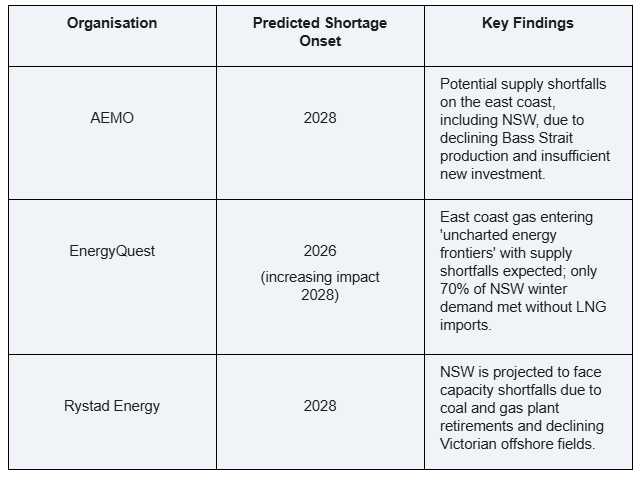
EnergyQuest’s annual in depth analysis report has raised serious concerns about NSW's future gas supply. The combination of reduced local gas production and increased demand is leading industry analysts and energy experts to anticipate a potential supply shortfall
According to the Australian Energy Market Operator’s (AEMO) recent assessment, the current trajectory suggests a significant supply gap by 2028. Key figures highlight the rapid depletion of existing gas reserves and the challenges of securing alternative sources.
The following table provides a clear overview of the predictions of Australia’s key organisations’ forecasts for the NSW gas shortage:
How Will the Gas Crisis Affect You?
This gas shortage could hit us in a few ways :
💲 Higher Prices
Gas prices could go up, making your energy bills more expensive. This affects everyone, from families to businesses .
📉 Business Troubles
Businesses that use a lot of gas, like factories and even your local bakery, might struggle with higher costs. Some might even have to close down, leading to job losses . We're already seeing some businesses put off hiring or expanding because of current gas prices .
🥶 Everyday Life
Many homes in NSW use gas for cooking and heating. If there's a shortage and prices go up, things like staying warm in winter could become more expensive .
Is There a Solution?
Luckily, there are some ideas on how to tackle this problem:
1️⃣ Bringing in Gas from Overseas: A new terminal at Port Kembla could allow NSW to import liquified natural gas (LNG) from other countries. This could help make sure we have enough gas and keep prices stable.
2️⃣ Government Plans: The government is working on a "Future Gas Strategy" to figure out how to best manage gas supplies . They're also looking at ways to use less gas in the long run.
3️⃣ Renewable Power: The big picture solution is to move towards cleaner energy like solar and wind. The more we use renewable energy, the less we'll need gas.
LNG Terminals - Are They The Answer?
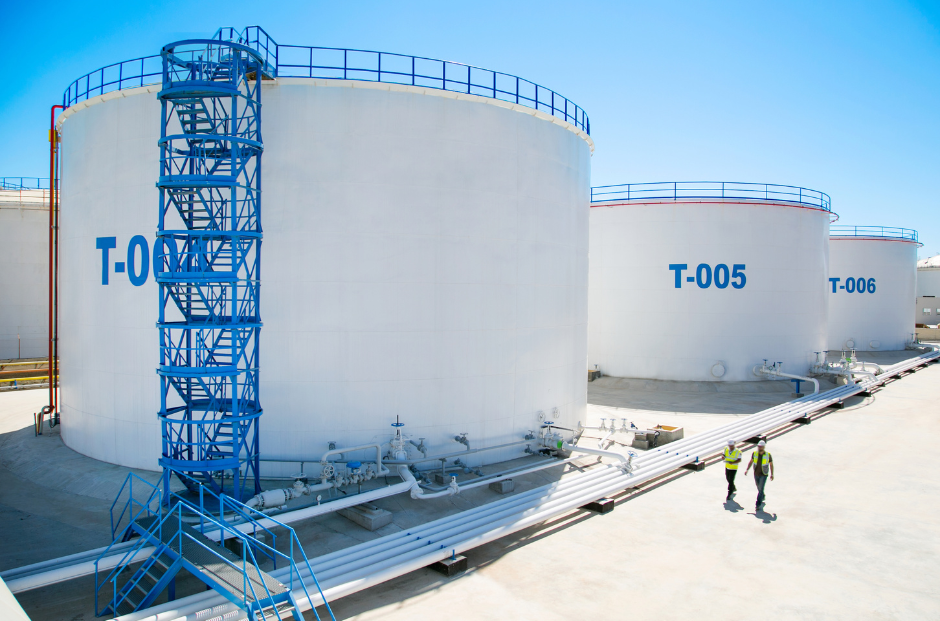
As NSW faces the prospect of a gas shortage, the question of LNG terminals inevitably arises. These facilities, designed to import and regasify LNG from overseas, are touted by some as a potential solution to bridge the supply gap.
The Potential Benefits
👍 Diversification of Supply
LNG terminals could offer NSW access to a broader range of gas suppliers, reducing reliance on domestic production and interstate pipelines.
👍 Increased Supply Security
In theory, LNG imports could provide a more stable and predictable gas supply, mitigating the risks associated with fluctuating domestic production.
👍 Addressing Short Term Gaps
LNG could serve as a stop gap measure, to help alleviate immediate supply constraints while the transition to renewable energy progresses.
LNG Challenges and Concerns
👎 Environmental Impact
LNG extraction and transport contribute to greenhouse gas emissions, potentially undermining NSW's climate goals. There are also concerns about the environmental impact of building and operating LNG terminals, including potential damage to marine ecosystems.
👎 Price Volatility
LNG prices are subject to global market fluctuations, which could lead to significant price increases for consumers in NSW. Global events can also drastically affect the price of LNG.
👎 Infrastructure Costs
Building and operating LNG terminals requires investment, which could ultimately be passed on to consumers.
👎 Long Lead Times
Developing and constructing LNG terminals is a lengthy process, meaning they may not be a viable solution for addressing the immediate supply challenges.
👎 Community Concerns
There is strong local opposition to LNG terminal developments due to environmental and safety concerns.
👎 Fossil Fuel Lock In
Investing heavily in LNG infrastructure could increase reliance on fossil fuels, hampering the transition to cleaner energy sources.
Why Campaigners Say "No" to LNG Terminals
Campaigners against new LNG terminals argue that it's ridiculous for Australia, a major gas exporter second only to the United States, to consider becoming a gas importer. This would only further expose Australians to the volatility of global gas markets and drive up our energy bills.
Given that most Australian gas exports originate from Queensland and Western Australia, and Queensland's LNG producers aren't obligated to reserve any gas for domestic use, a policy shift could significantly reduce the need for costly LNG imports and the construction of numerous import terminals.

Does the “Future Gas Strategy” Provide a Realistic Plan?
The Future Gas Strategy (FGS), often promoted by governments and industry, aims to ensure a continued role for natural gas in the energy mix. However, its effectiveness and long term viability are subject to debate. Here's a breakdown of the key pros and cons:
The Future Gas Strategy, which supports a continued role of natural gas, raises critical questions about its viability in addressing the gas crisis. Here's a look at the strategy's pros and cons, specifically in the context of this 2028 deadline:
FGS Pros
👍 The FGS Ambition
Pro-FGS supporters might argue that if the strategy is implemented swiftly, it could theoretically boost gas supplies before 2028. This would rely heavily on rapid development of new gas fields or expedited LNG import solutions.
The idea being, to have something in place before the predicted shortfall.
👍 Short Term Focus: Maintaining Existing Industrial Base
For industries heavily reliant on gas, the strategy offers the promise of continued operations, potentially reducing the immediate economic disruption leading up to 2028. This is a just short term approach, to keep industry going until other solutions are found.
Cons: The Reality
👎 Time Constraints
Developing new gas fields or building LNG terminals takes years. The 2028 deadline leaves little room for error, making these solutions highly risky. The time to build the needed infrastructure is realistically just too long.
👎 Climate Risks
Even if the strategy addresses the supply gap in the short term, it risks locking NSW into a fossil fuel future, ruining the state's climate goals and worsening the impacts of climate change beyond 2028. Ergo, the long term climate damage outweighs any short term gain.
👎 Financial Risks
Investing heavily in gas infrastructure with a short term timeframe, there would be significant financial risks and a high chance of wasting taxpayer’s money. If the move to renewables accelerates, these investments could become stranded assets, leaving NSW with an expensive burden.
👎 Competition for Funds
Investing in and promoting gas infrastructure can divert resources and attention away from the development and deployment of renewable energy technologies and energy storage solutions. Essentially, every dollar spent on gas is a dollar not spent on renewable energy.
👎 Price Volatility
Even if the strategy succeeds in boosting supply, NSW would still be exposed to volatile gas prices and supply disruptions, particularly if reliant on international LNG markets. The problem would just be transferred, not resolved.
Is the Transition to Renewable Energy Sustainable?
As NSW struggles with the prospect of a gas shortage by 2028, a basic question arises: can the ongoing transition to renewable energy truly fill the capacity gap and provide a reliable, sustainable power supply? This is a complex issue with valid points on both sides, requiring a realistic assessment of the challenges and opportunities.
The transition to renewable energy is not without its difficulties, but it is a necessary and achievable goal. While the 2028 deadline for the NSW gas shortage presents a significant priority, it also emphasises the importance of rushing the move to renewables.
With strategic planning, continued investment, and technological innovation, renewable energy can sustainably and reliably meet the capacity needs of NSW and contribute to a cleaner, more secure energy future. It's not a simple switch, but a carefully managed evolution that requires commitment and planning.
So, What Needs to Happen?
Experts agree that we need to act fast. We need to build the right infrastructure, like the import terminal, and make smart choices about our energy use. Investing in renewable energy and finding ways to be more energy efficient are key to a stable and affordable energy future for NSW .
In short: NSW is facing a gas problem, but there are solutions. By looking at different ways to get gas and focusing on cleaner energy, we can hopefully avoid the worst of the predicted shortages.
To discuss your energy options or transitioning away from gas in your home or business, call Powerix today on 1300 856 928.
Resources:
Energy Quest - East Coast Gas Outlook 2024
NSW Government - Future of Gas Statement
Rystad Energy - Australia’s nuclear debate to shape election, but immediate energy security hinges on gas
9 News - Is Australia running out of gas?
Sydney Morning Herald - ‘Time is running out’: Victoria, NSW turn to gas imports as energy crisis nears
Financial Review - Santos, AEMO issue warnings on gas
Squadron Energy - PKETis Australia's Answer to Looming Gas Shortage
Gas Outlook - Australia’s gas supply conundrum continues amid shortage warnings
ABC News - Gas shortages could soon be a reality on Australia's east coast

New NSW Solar Battery Incentives 2024
The NSW Government is introducing a new program to help households and businesses save on the cost of solar battery installation and is to be implemented on 1 November 2024.
This new incentive is part of the Peak Demand Reduction Scheme (PDRS) and is being implemented to ensure that you’re getting the most out of your solar by allowing you to store the solar energy that your solar system is generating.
What is the NSW Peak Demand Reduction Scheme?
The rise of renewable energy, especially solar power, has significantly changed the pattern of peak demand on Australia's electricity grid. Previously, peak demand typically occurred around the middle of the day.
However, the abundance of solar energy now flowing into the grid during the midday hours is increasingly pushing wholesale prices down, sometimes even into the negative. While this is good news for consumers, it creates new challenges to the stability of the electricity system.
As solar energy can't contribute to the grid during the night, storing surplus daytime solar power in batteries is crucial to meet peak demand in the late afternoon and evening, and to enhance the overall stability of the electricity system. However, home battery storage systems, much like solar panels were in the past, are expensive.
This is where the PDRS comes in with new incentives for homes and businesses installing and using solar batteries, allowing you to use stored energy, spread throughout the day.
What Is the 2024 NSW New Solar Subsidy?
The incentives will be available from 1 November 2024 and are split into the installation rebate and the Virtual Power Plant (VPP) connection incentive.
The Upfront Installation Rebate
The purpose of the upfront installation rebate is to reduce the upfront cost of battery installation, making energy storage more affordable and enhancing the use of generated solar power.
The rebate is between $1600 and $2400, depending on the size of the battery.
The Virtual Power Plant Incentive
A Virtual Power Plant (VPP) is a network of connected solar batteries that work together to generate and manage energy flow, reducing reliance on the power grid during periods of high electricity demand.
The VPP incentive can actually be claimed twice over a 3 year interval. The purpose is to encourage the integration of batteries into VPPs, allowing stored energy to be shared across the grid, improving stability and efficiency.
The incentive amount is between $250 and $400, depending on the size of the battery.
What is the Eligibility for the NSW Battery Incentive?
To be eligible for the battery rebate, you must use an approved supplier under the PDRS to install the battery. The Accredited Certificate Providers (ACPs) are approved suppliers that have been accredited by the IPART and a list of them can be found here.
The battery must have a capacity of between 2 kWh to 28 kWh, which is the national average energy use for a 5 person household.
The installation incentive is exclusively for new battery installations. However, the VPP participation incentive is open to both new and existing batteries, as long as the existing battery is registered with a VPP, has at least 6 years of manufacturer's warranty remaining, and meets the specified equipment requirements.
What Safety Considerations Do You Need To Consider When Installing Solar Batteries?
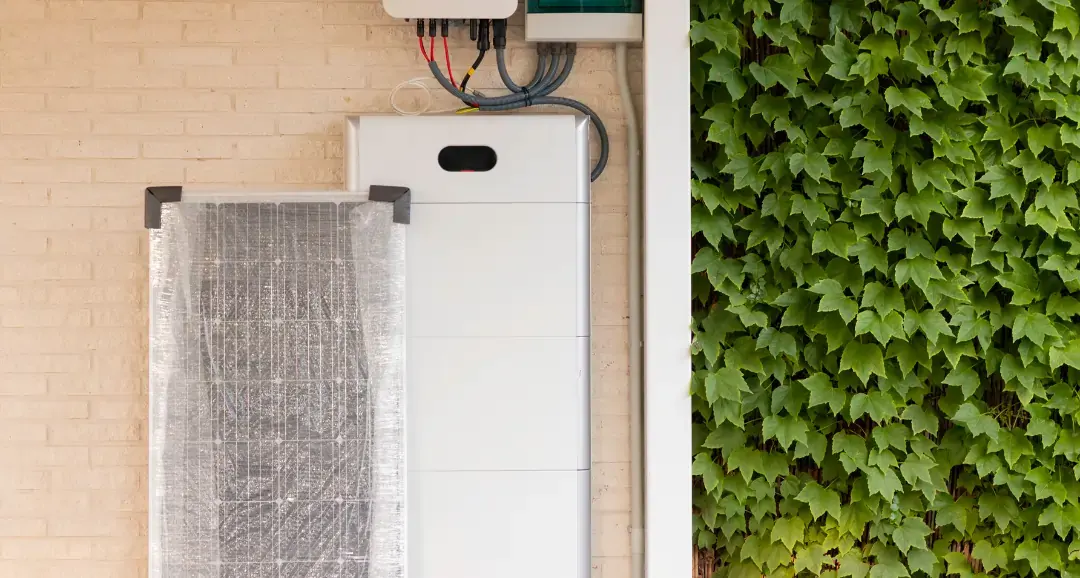
To keep your home safe, it's important to follow all the Australian safety rules when installing a battery. This means picking the right kind of battery for your home and making sure there's enough space around it for air to flow and keep it cool. It's also really important to have a professional install your battery. They know how to do it safely and make sure it works the way it should, which helps prevent the battery from getting too hot.
Have questions about the NSW Solar Battery Incentive or ready to install a battery? Give our Powerix team a call at 1300 856 928.
References:
NSW Gov Climate & Energy Action - Solar Batteries
Incentives to boost rollout of household batteries in New South Wales | NSW Environment and Heritage
How does a Virtual Power Plant work? | solar.vic.gov.au
List of ACPs for businesses | IPART (nsw.gov.au)
Are your Isolator switches putting your house at risk?
Are your Isolator switches putting your house at risk?
DC isolators are the leading cause of unsafe Photovoltaic solar systems in Australia. With isolators installed before 2014 being considered unsafe in 1-3% of inspections. So what can you do to protect your home and what is causing these problems?
Causes for Unsafe Solar Systems
A report released by Energy Safe Victoria outlines the most common causes for the failure of DC isolators. This report found two major causes for DC isolators being rendered unsafe upon inspection:
- Water Ingress: This can be brought about by either rainwater getting into the isolator unit (most commonly roof-mounted systems) or condensation from air getting inside the system during the day and cooling down overnight. Once the water is inside the isolator it begins to corrode the system. This corrosion increases the resistance of the system causing it to heat up and either; Melt the system open disconnecting the panel array circuit from the home or, weld the system closed which can cause the isolator to combust.
- Incorrect Installation: Incorrectly and non-compliant installation of a solar system will increase the stressors on the system and the risk of catastrophic failure of the system. Some things to look out for are; DC cables that are resting or rubbing against the roof and panels overhanging the sides of the roof or not secured to the roof.
What to Do If You Notice Any of These Risks?
If you notice that your solar system is no longer working as well or at all or you notice anything of concern turn the system off if safe to do so. Once your system is off contact a Clean Energy Council-accredited electrician to inspect your system ensure that it is safe and make any repairs needed.
How Can I Minimise My Risk?
So how can you minimise or avoid these risks altogether? Well, there are a few simple steps to avoid these risks.
- Regular Inspections: It is recommended that you have a licensed solar technician inspect and undertake regular maintenance of your solar system. These checks allow an expert to replace any parts needed and ensure that the system is running as efficiently as possible.
- Know What's Going on With Your System: There are several things that you can do to ensure your solar system is running as it should be. These are: Monitor the outputs of your system, regularly check data screens for error messages and inspect the panel for debris.
For more information on these inspections and the importance of regular maintenance of your solar systems click here.
If you are in need of a local Clean Energy Council-accredited solar technician in the Sydney area Powerix is your one-stop shop. Contact our team today!